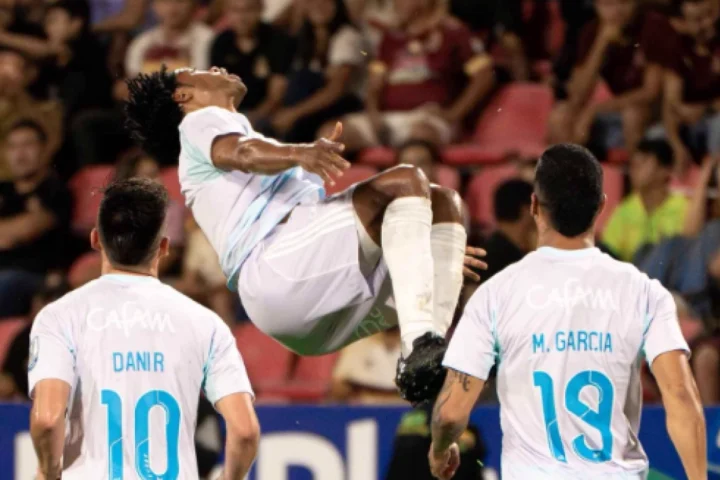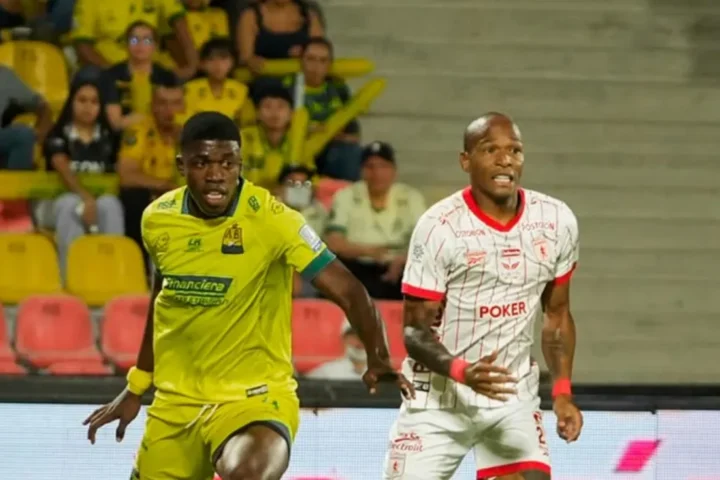
Atlético Nacional lost Felipe Marín to a red card in their match against Once Caldas in Manizales, the first round of the semifinal quadrangular stage of the 2026-II BetPlay League, played on Saturday 21 November 2026. Referee Jhon Ospina’s decision has divided opinion, and the Arbitration Commission is among those who disagree with it.
A reckless challenge, not a bad foul
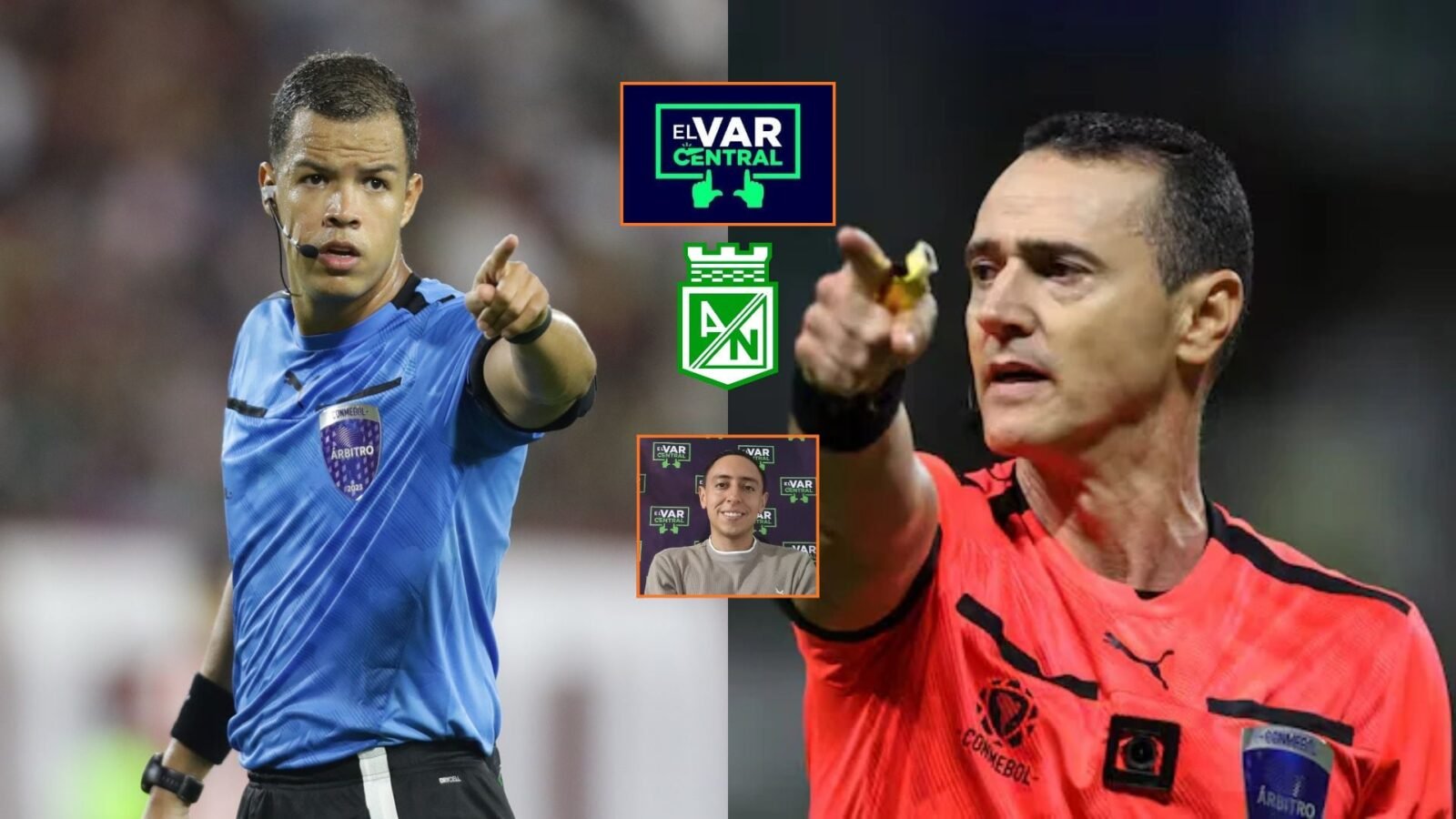
Andrés Grimaldos, known on social media as ‘El VAR Central’, told Infobae Colombia that he saw the tackle as a yellow-card offence. In his view, it was reckless rather than a full-blooded strike, and more of a glancing contact than a clear blow.
Grimaldos, a social communicator and journalist from Santander who specialises in analysing football through its rules, said the difference lies in how the offence is classified. A red card corresponds to serious foul play, which involves excessive force or brutality and endangers an opponent’s physical wellbeing. Ospina’s call, he argued, fitted better under recklessness, where a player fails to measure the risk of his action. “I classify it there. For me it’s a yellow-card play,” he said.
An official admits the error
Just under two days after the incident, the Arbitration Commission published the VAR audio on its digital platforms. In it, the referee is heard deciding to keep his original call, and the commission stated plainly that the decision was wrong. It added that the video assistants had called Ospina over to review the play so he could correct it.
A crisis of credibility
Although he questioned the red card, Grimaldos did not see this single episode as the main symptom of Colombia’s refereeing problems. For him, the controversy exposed a wider lack of trust among fans, clubs and the wider football community in the decisions made by match officials.
“This play, or any play, shows the lack of credibility that already exists among people when it comes to refereeing,” he said. He added that the public debate does not stem from one decision alone, but from what he considers the poor level shown by referees in recent years.
Grimaldos began analysing refereeing and the laws of the game in 2017. Based on that experience, he believes the present moment may be the most negative of the last decade. “I dare to speak about the last 10 years because that is roughly how long I’ve been doing this, analysing football through its rules and studying them,” he said.
He linked that assessment to the expectations created when VAR was introduced and became established. Technology does not eliminate mistakes, he explained, but it should reduce the margin for error in decisive moments. By now, he argued, with VAR well established and widely understood, the number of errors should have fallen.
Ospina under pressure
Grimaldos believes Ospina was probably affected by the decision he made. “He’s surely hurt, absolutely certain,” he said. He suggested the referee may also feel let down by the lack of backing, although he recalled that the Arbitration Commission has previously acknowledged mistakes by other officials in earlier statements.
Instability at the top
Grimaldos also pointed to instability in the leadership of refereeing. During the year, he said, the head of the Technical Arbitration Commission changed several times: first Yimer Machado, then Sebastián Restrepo, and after a period with no one in the post, Hernando Buitrago was appointed on an interim basis until the end of the year.
For the analyst, these changes undermine a structure that needs continuity in its decisions, assessments and training processes. “That speaks to the lack of stability in refereeing, and it affects everything. It’s a structure, and everything is affected. I really do think this is the worst moment in 10 years,” he said.
A possible path forward
Against that backdrop, Grimaldos said a possible appointment of Wilmar Roldán to lead the National Referees Commission could bring something that is currently in short supply: credibility. He stressed that a distinguished career as a referee does not guarantee success as a trainer or administrator, but noted that Roldán has experience in teaching and in running a referees’ association in Antioquia.
“Roldán does have something, and he has credibility, which is one of the weakest points we were just discussing,” he said. He also emphasised that any improvement would depend not just on a name, but on the ability to build a stable process.
Source: www.infobae.com