Ten years after the plane crash that devastated Chapecoense, former defender Neto remains one of the most powerful symbols of the tragedy’s victims. Now retired from football, he has built a new life as a motivational speaker and evangelist.
A promising defender cut short
Neto was a regular starter for Chapecoense alongside Thiego in central defence. He was part of the club’s historic run to the Copa Sudamericana final, when the Brazilian side knocked out San Lorenzo to reach the decider. The crash, which happened in the early hours of 29 November 2016, halted that project in its tracks.
Neto was one of six survivors, along with Alan Ruschel, Jakson Follmann, journalist Rafael Henzel, flight attendant Ximena Suárez and aircraft technician Erwin Tumiri.
A near-miraculous rescue
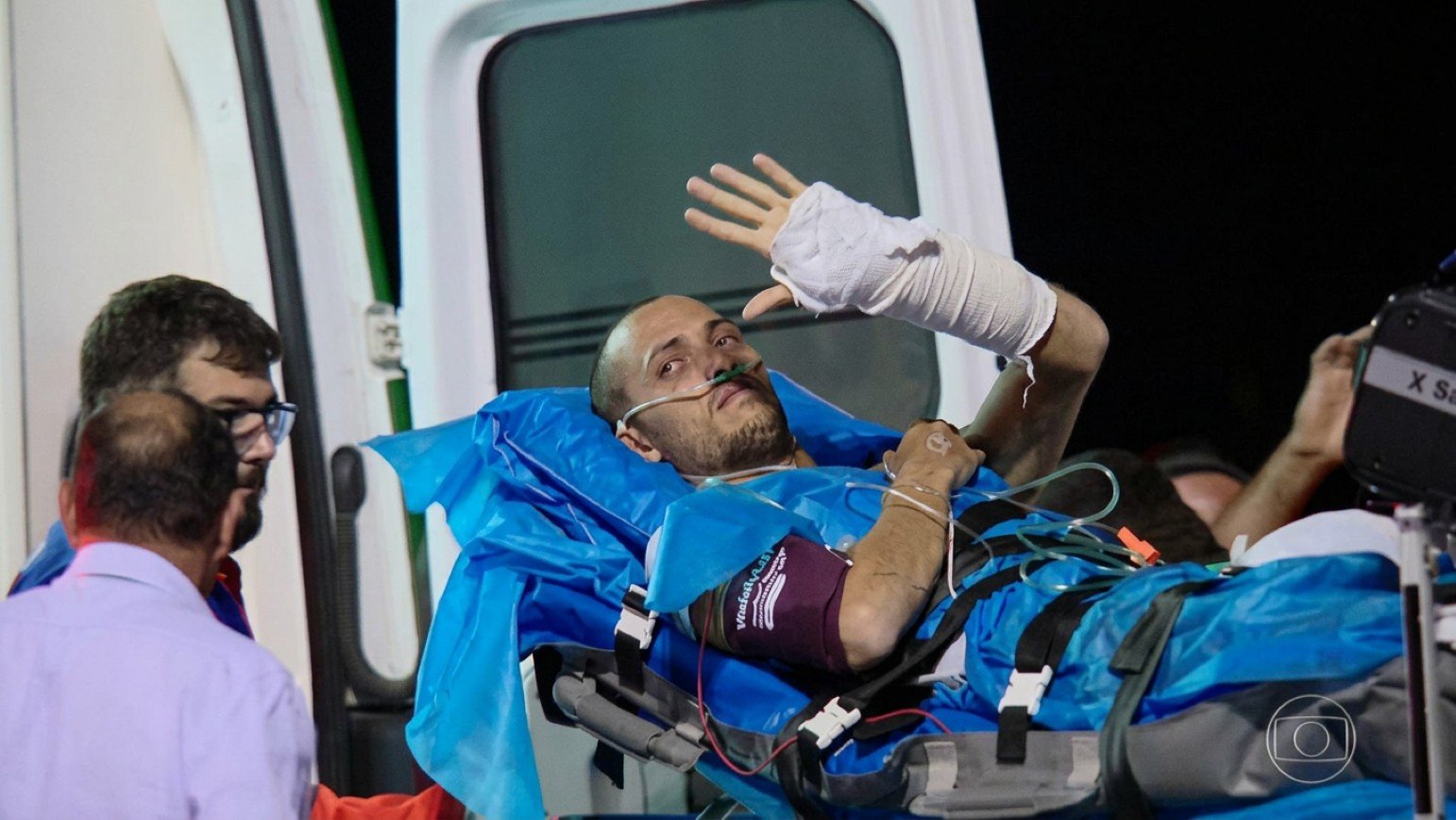
Neto was the last survivor to be found, around eight hours after the crash. His condition was so grave that he was considered almost beyond saving. He had lost a great deal of blood, his lung had collapsed and he had a lung infection. He spent days in a coma and woke up between 10 and 11 December with an uncertain future and a long road to recovery ahead.
Doctors struggled to explain his survival. Neto recalls one physician telling him that medicine has its limits and that some things cannot be explained scientifically. That doctor, now a friend, has since told him he did not expect him to live.
Retirement and a new path
Neto spent a long time away from the pitch. He attempted a comeback, training with Chapecoense years later, but persistent back and knee problems forced him to call time on his career in March 2019, at the age of 34. “It was very hard to stop playing,” he said, describing how a childhood dream had been cancelled by tragedy, even though he is grateful to be alive.
In January 2020 he took on the role of superintendent of the club’s football department, acting as a bridge between players and the board and helping with signings and training courses. He held the post until 2021, after which he concentrated on public speaking. His faith, he says, showed him that God had other plans for him, and that staying in football would have been too small a role for what he had lived through.
Returning to Cerro Chapecoense
In 2026 Neto went back to the crash site on the Cerro Gordo mountain, near La Unión in Colombia, which has since been renamed Cerro Chapecoense. He travelled with the squad for a series of tributes from the Colombian people, including the unveiling of a memorial and a friendly against Atlético Nacional, the opponents in the final that never took place.
Neto said the visit felt lighter than his earlier trips to Colombia, which had been painful. He praised the gesture from Atlético Nacional and the solidarity of the Colombian people, saying he had gone back to repay what they had done for him, for those who died and for their families.
Source: ge.globo.com